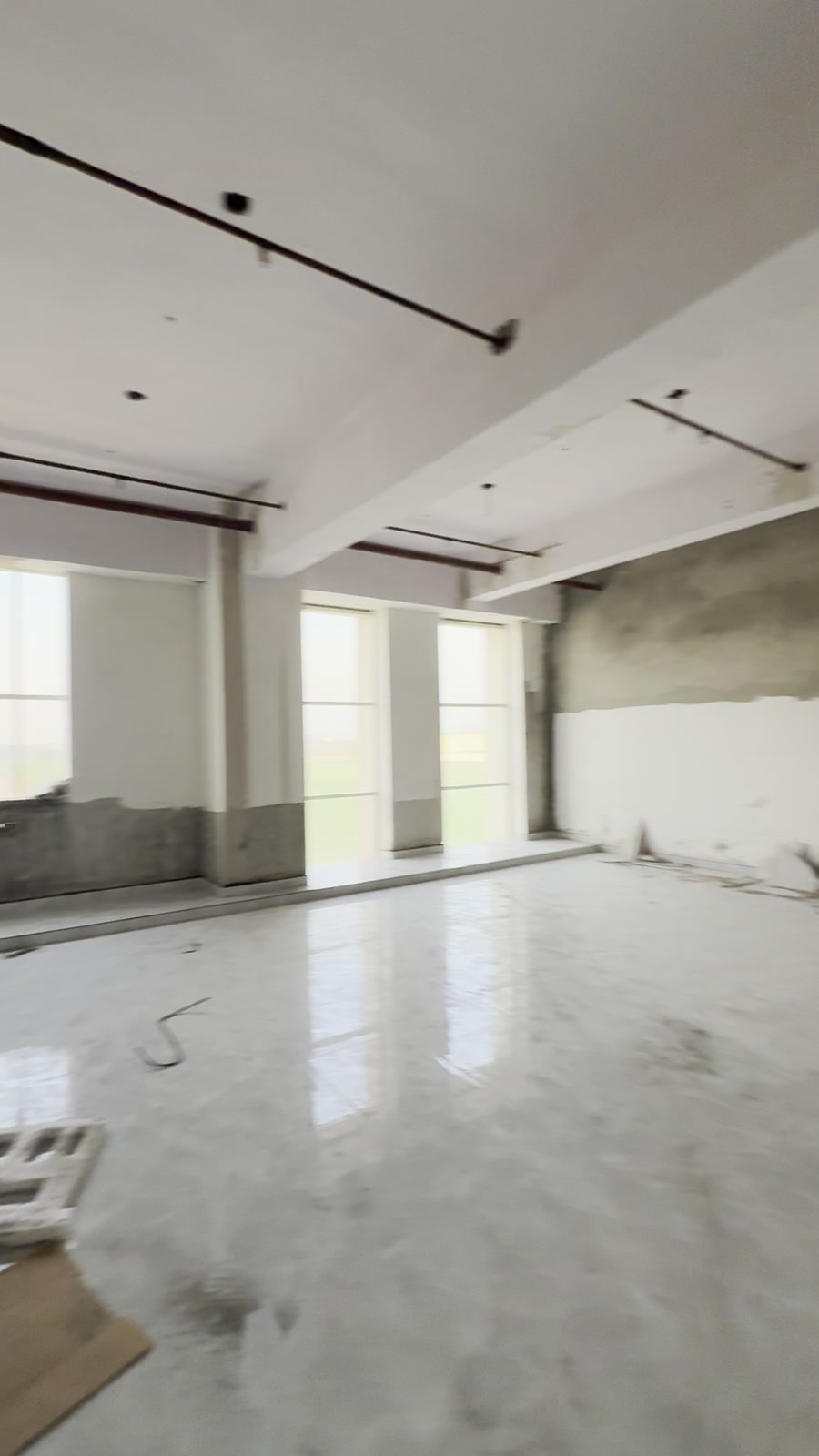
More glass does not automatically make a room more comfortable. A bright patch can leave the rest of the room feeling comparatively dark. Direct light can fall on a screen, a dining seat or a polished surface at exactly the wrong hour.
When planning a home in Delhi NCR, consider daylight together with heat, privacy and the way furniture will be used. India’s Bureau of Energy Efficiency describes the residential envelope in terms that include controlling heat gain and loss, as well as providing daylight and natural-ventilation potential. A site’s applicable requirements must still be checked by the project team. BEE residential building guidance.
Observe the room before proposing a feature
Photograph the room at different times on an ordinary day. Mark where people sit, read, work and watch television. Note neighbouring obstructions and existing shading. A single attractive photograph cannot explain how the room changes through the day or year.
For a new design, ask the architect how orientation and seasonal sun movement informed the openings. For a renovation, identify which parts of the envelope can actually be altered and which are fixed by the building.
Decide where light should arrive
Review the position of work surfaces, screens and seating rather than discussing window size in isolation. A room may need a change in furniture position or shading strategy rather than a larger opening. Ask to see options and their trade-offs before commissioning an irreversible alteration.
Sample finishes in the actual room
A pale stone, glossy panel or painted wall can look different under showroom light. View samples vertically or horizontally as they will be installed, and compare them in daylight and at night. Look at their neighbours too. A finish is rarely experienced on its own.
Plan electric light for use
Lighting should address the room and the tasks within it. The Australian government’s YourHome guide distinguishes task illumination from general room lighting, and explains that colour temperature and colour rendering describe different qualities. These are useful design concepts, not Indian installation standards. YourHome lighting guide.
Ask for a lighting plan that shows what each circuit is intended to do. Test a sample fitting where practical. Discuss glare, controls, dimmer compatibility and access for replacement with the designer and electrician before closing the ceiling.
Ask for a room, not a fixture count
A convincing proposal explains how daylight, blinds or shading, surface finishes and electric lighting work together. It should also explain how the room functions on a dull afternoon and after dark.
Bring photographs, your room plan and the times you use the space to a lighting and interior-design discussion with Designer Thekedars.