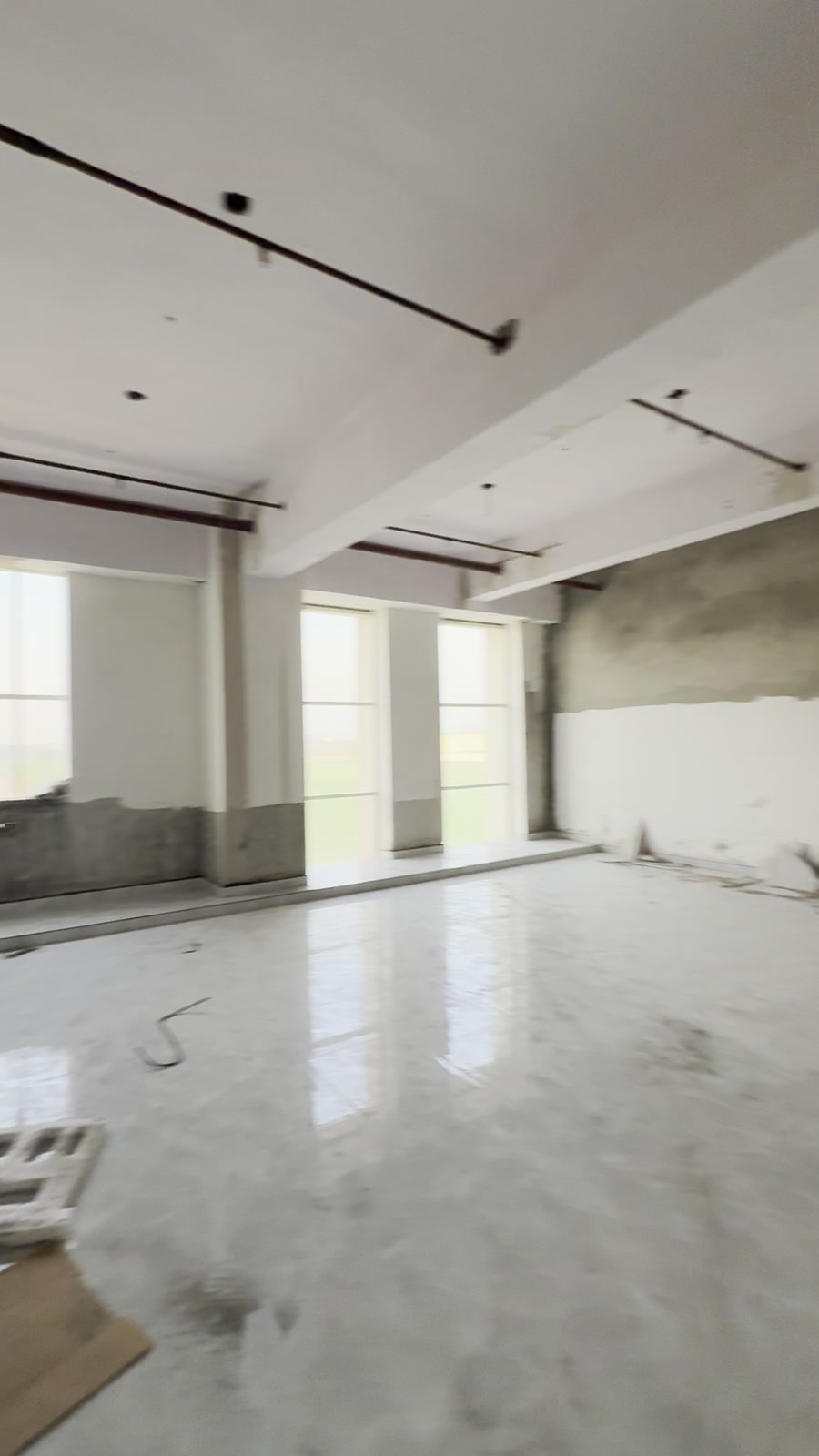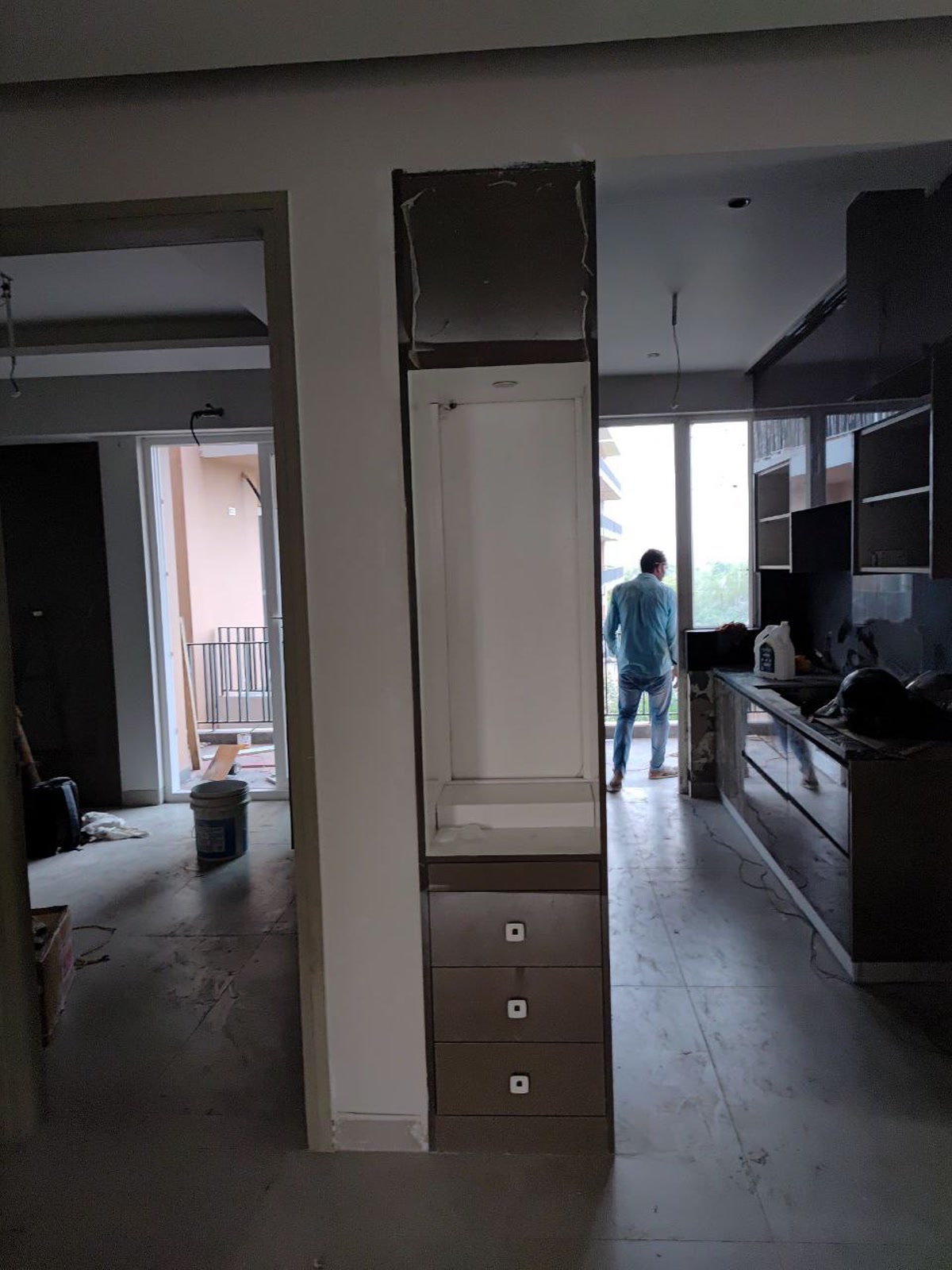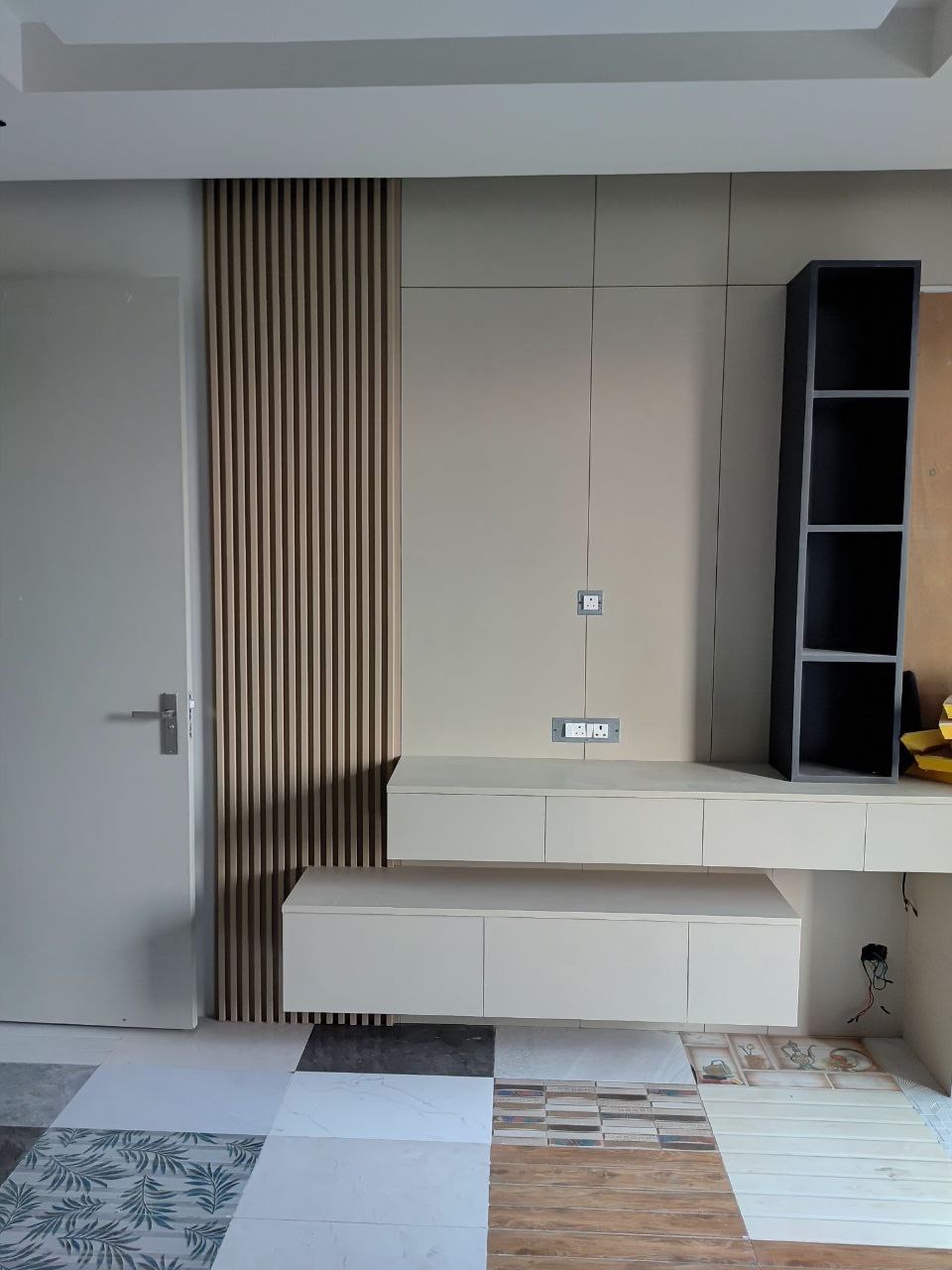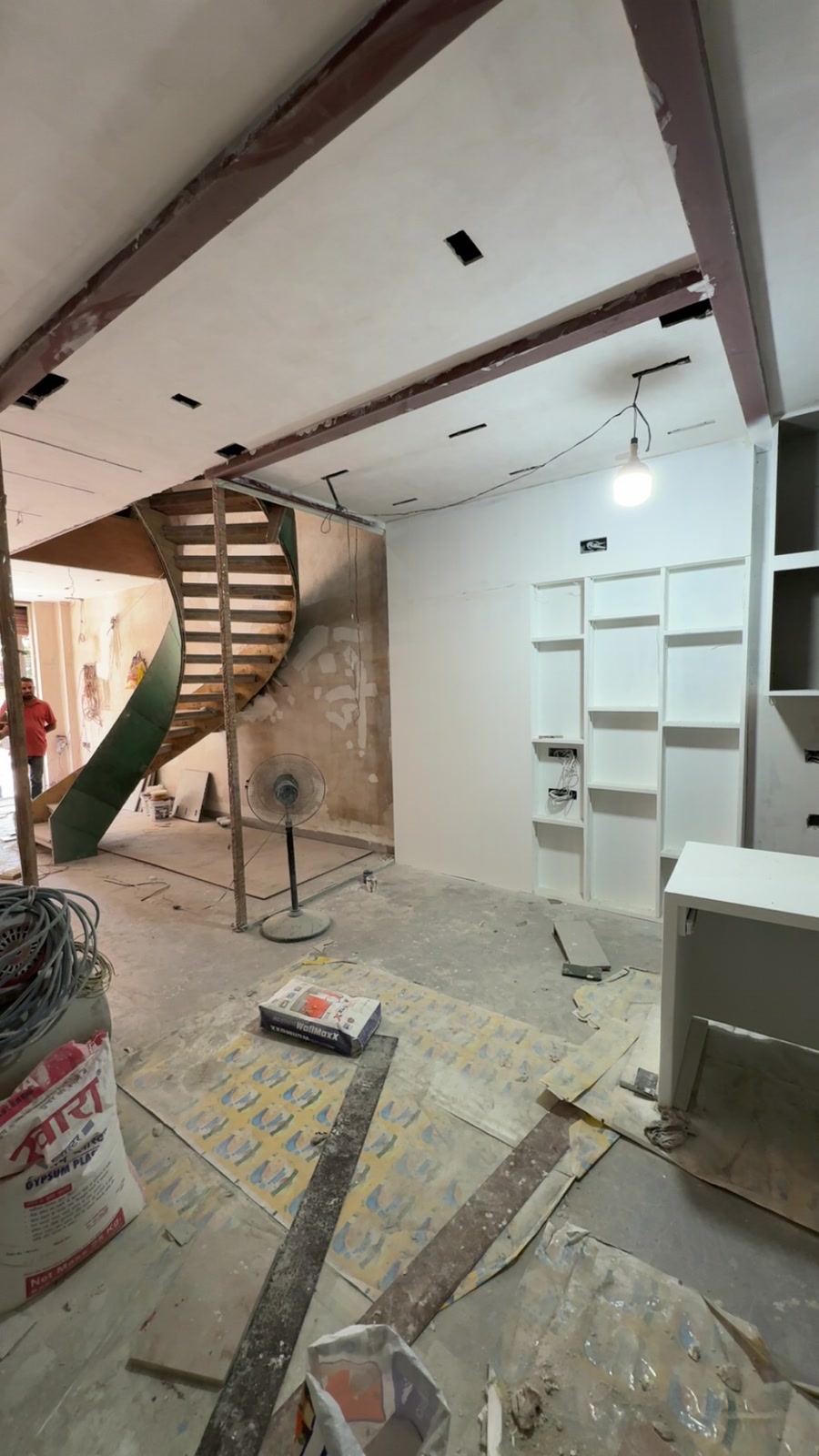
The renovation programme and the household’s daily programme have to share an address. Before work begins, decide whether that arrangement is realistic. A functioning bedroom does not help much if the only bathroom is unavailable or every route passes through an active work area.
Some phases may require occupants to leave. Discuss this at planning stage, especially where children, older adults, pets or people with health concerns are involved. A contractor’s willingness to work around the family does not by itself establish that the arrangement is safe.
Draw the temporary home
On the plan, identify the areas that remain in use, the workers’ route, material storage and essential services. Include delivery and waste-removal paths. Ask what changes during demolition, installation and finishing, rather than assuming one arrangement will cover every phase.
Make a practical list of what the household needs each day: cooking, washing, drinking water, charging, work calls and secure storage. Agree in advance when these will be interrupted and who gives notice.
Give dust and finishes their own plan
The US Environmental Protection Agency recommends addressing underlying moisture problems, containing renovation dust, separating occupants from work areas and following product manufacturers’ ventilation and safety instructions. Its guidance is a general reference here, not Indian law. Do not translate its US-specific dates or regulatory assumptions into an Indian project. EPA renovation practices.
Ask the contractor to explain containment and cleanup in plain language. Who checks the barriers? Where will dusty work occur? How will the work area be ventilated without simply moving pollutants into the occupied rooms? These questions need answers suited to the building and the materials, not a promise to “keep everything clean.”
Inspect hidden problems before covering them
Keep a record of observed dampness, service issues and unexpected conditions. Arrange the relevant specialist assessment rather than concealing the symptom with a new finish. Photograph services and agreed changes before they become inaccessible, subject to the project team’s documentation requirements.
Make handover a process
Set aside time to inspect opening doors and drawers, operation of fittings, finish consistency and completion of agreed work. Use a dated snag list with responsibility for each item. Gather manuals, warranty documents and the final approved selections. Do not assume a clean-looking space has passed every technical check.
Leave room for a decision to move out
If the occupied arrangement stops working, the programme should allow the team and household to reassess. Establish that conversation before the first uncomfortable night, rather than when everyone is frustrated.
When discussing a renovation with Designer Thekedars, say whether the home will remain occupied. That decision belongs in the brief, alongside budget and design priorities.