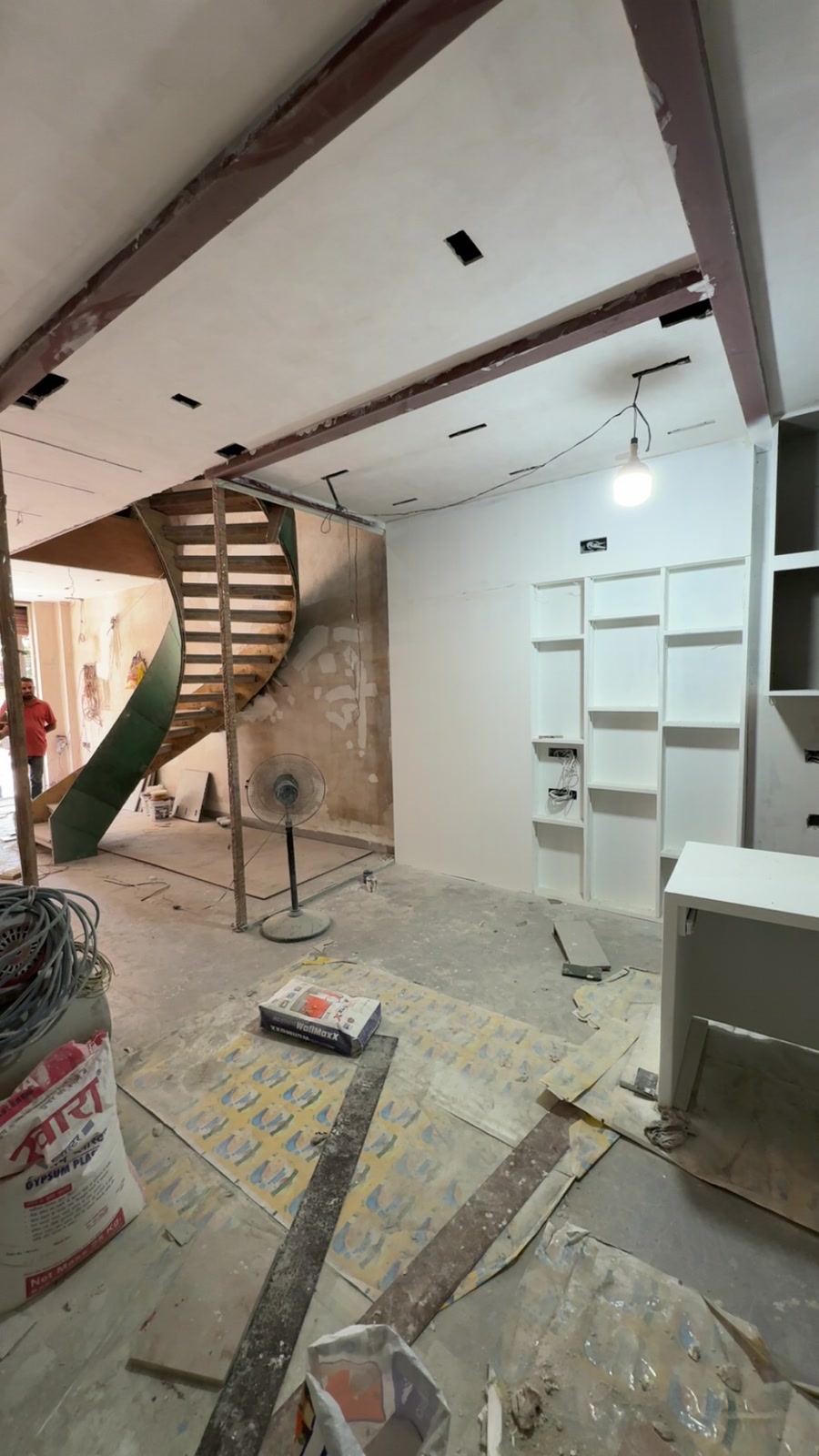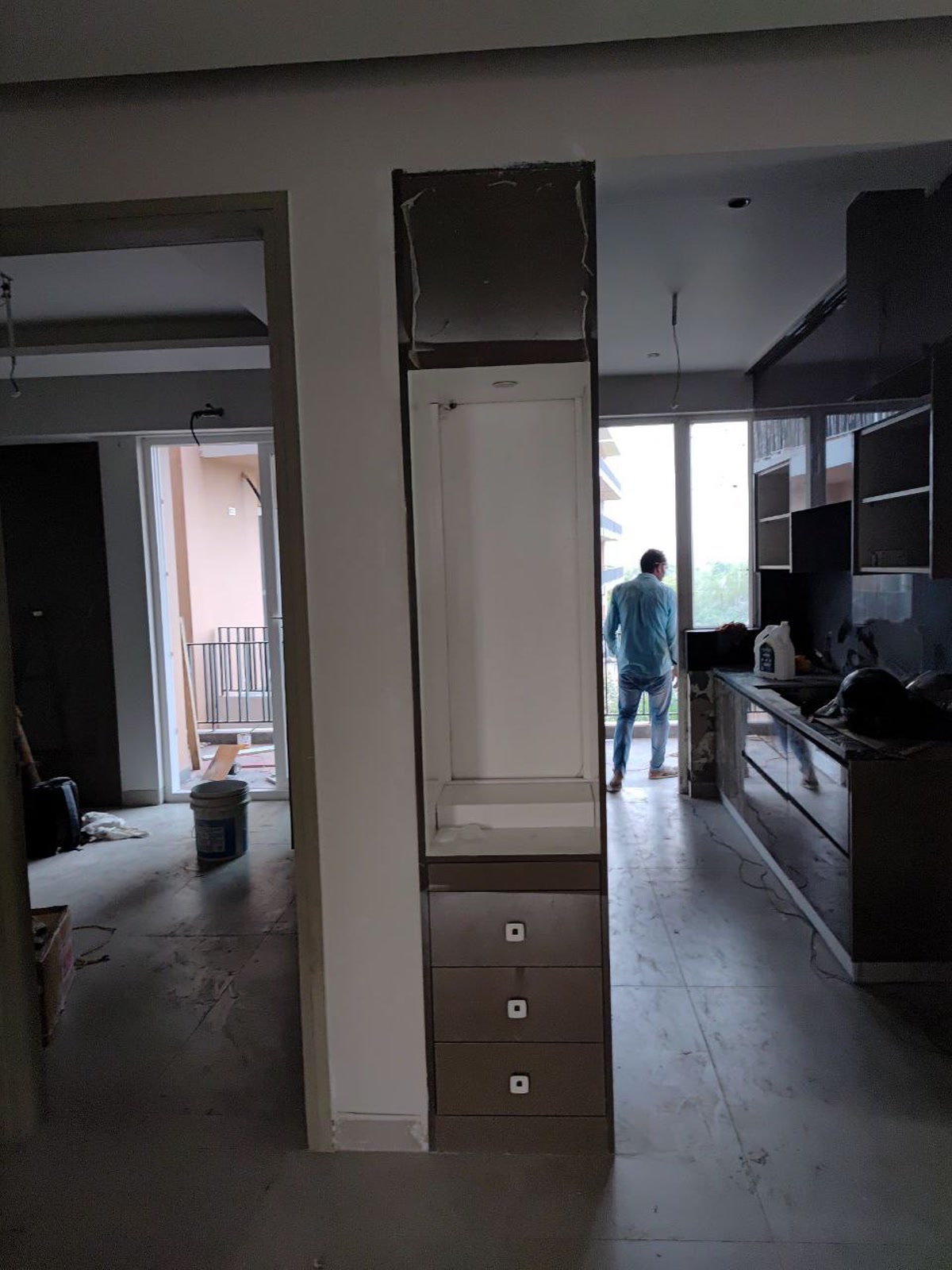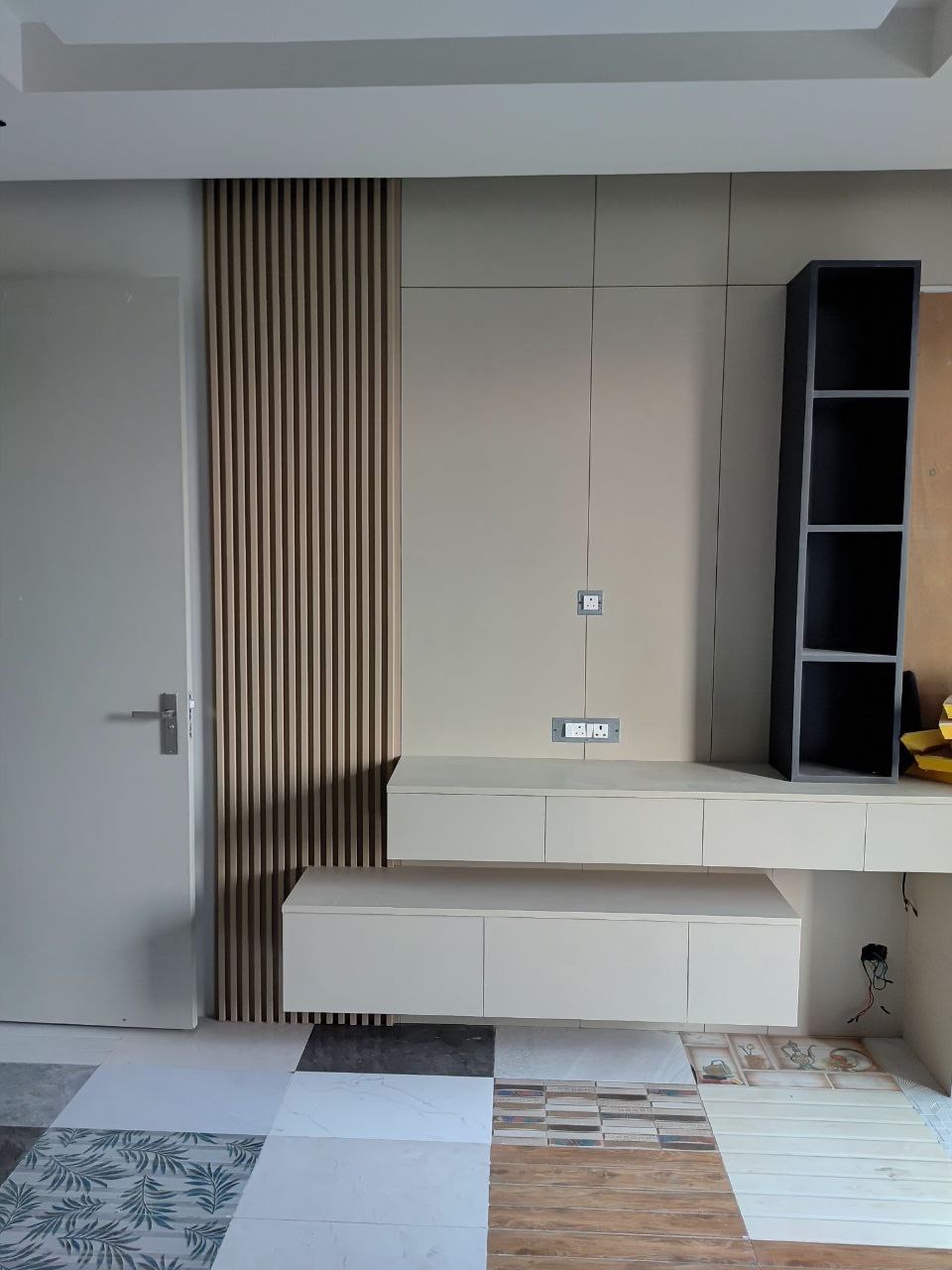
Two quotations can show very different totals while describing different jobs. One may include electrical changes and painting preparation. Another may price only the visible finishes. Before deciding which is better value, make sure both documents answer the same question.
This comparison is especially useful when several people are quoting from the same moodboard but have not received a coordinated scope. The first task is to make the work comparable.
Start with one shared scope
List each room and the work expected there. Identify what stays, what is removed and what is new. Separate design services, execution and procurement. Record whether site coordination, shop drawings, samples and handover documentation are included. Ask each bidder to mark items they have excluded rather than assuming a blank means free.
Turn broad labels into specifications
“Premium wardrobe” does not describe the internal construction, shutter finish, hardware, accessories or installation. Ask for the proposed product or material, finish, thickness where relevant, hardware model and measurable quantity. If a selection is provisional, identify the allowance and what happens when the final choice differs.
For example, two identical wardrobe elevations can conceal different drawer systems and internal layouts. Compare the written specification alongside the drawing. Where a substitution is proposed, ask to see it and approve it before ordering.
Ask how the quantities were calculated
Find out the unit of measurement and whether quantities are based on a site survey or an assumption. Ask what is included in the rate: labour, transport, installation, surface preparation and making good surrounding areas. Keep this discussion practical. The aim is to remove ambiguity, not to create the longest possible quotation.
Read the edges of the price
Check taxes, debris removal, protection of existing finishes, access equipment, loading restrictions and final cleaning. Identify appliances or decorative fittings being supplied by you. Ask who receives, stores and installs them. These responsibilities can fall between packages if nobody writes them down.
Agree a change process before changes happen
Use a simple written record for variations: what changed, why, the added or reduced cost, and any effect on sequence. Ask for approval before the changed work starts. Link payment milestones to clearly described deliverables and review contractual terms with an appropriate adviser where needed.
Compare confidence, not just totals
A considered quote should make uncertainties visible. Ask which items need inspection, sampling or specialist input before they can be fixed. Avoid treating a confident verbal promise as an adequate substitute for the written scope.
Create a comparison sheet with five columns: item, specification, quantity, inclusions and exclusions. Then discuss the differences with your shortlisted teams. Approach Designer Thekedars with your plans and brief to discuss the scope you need priced.