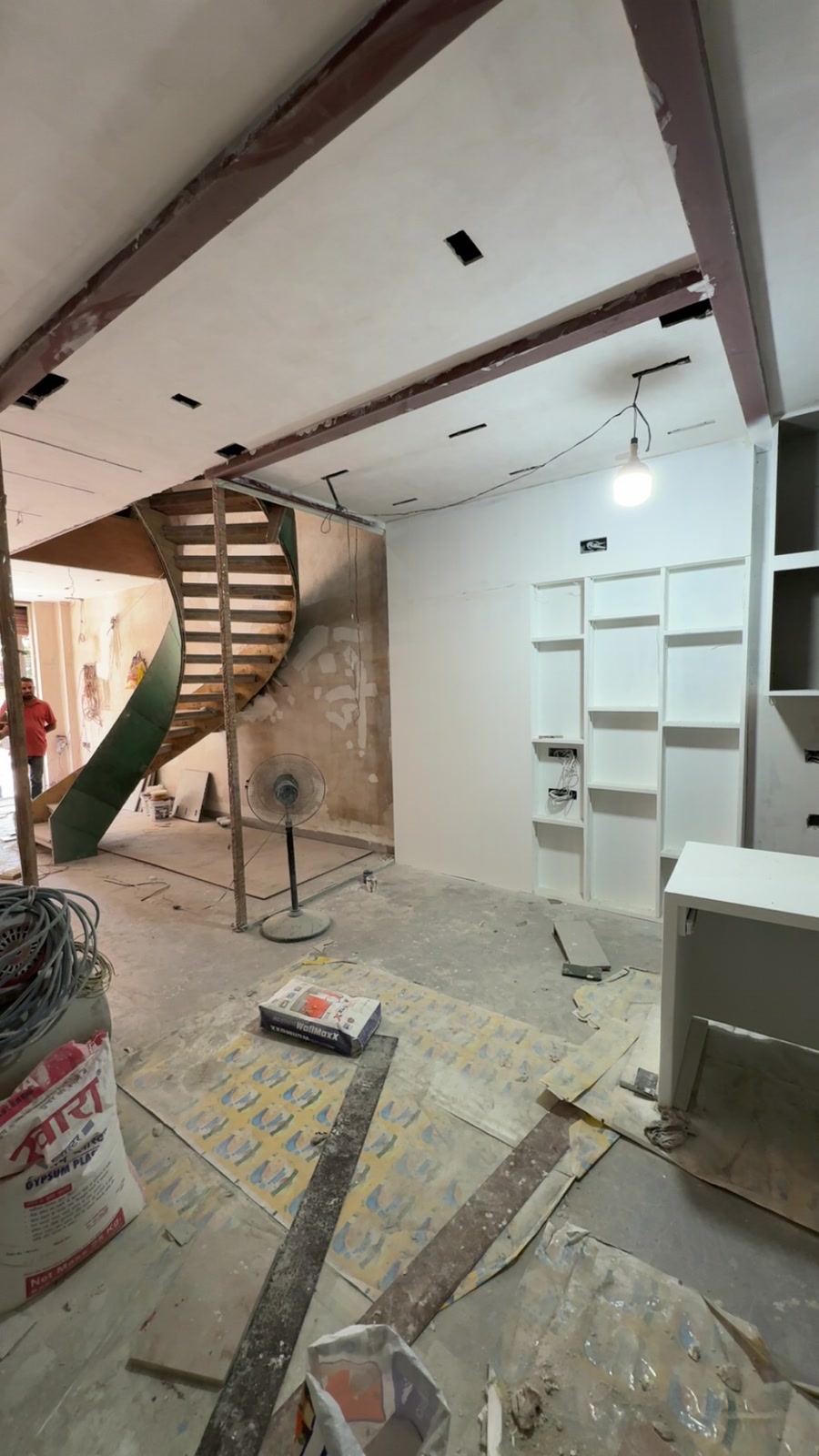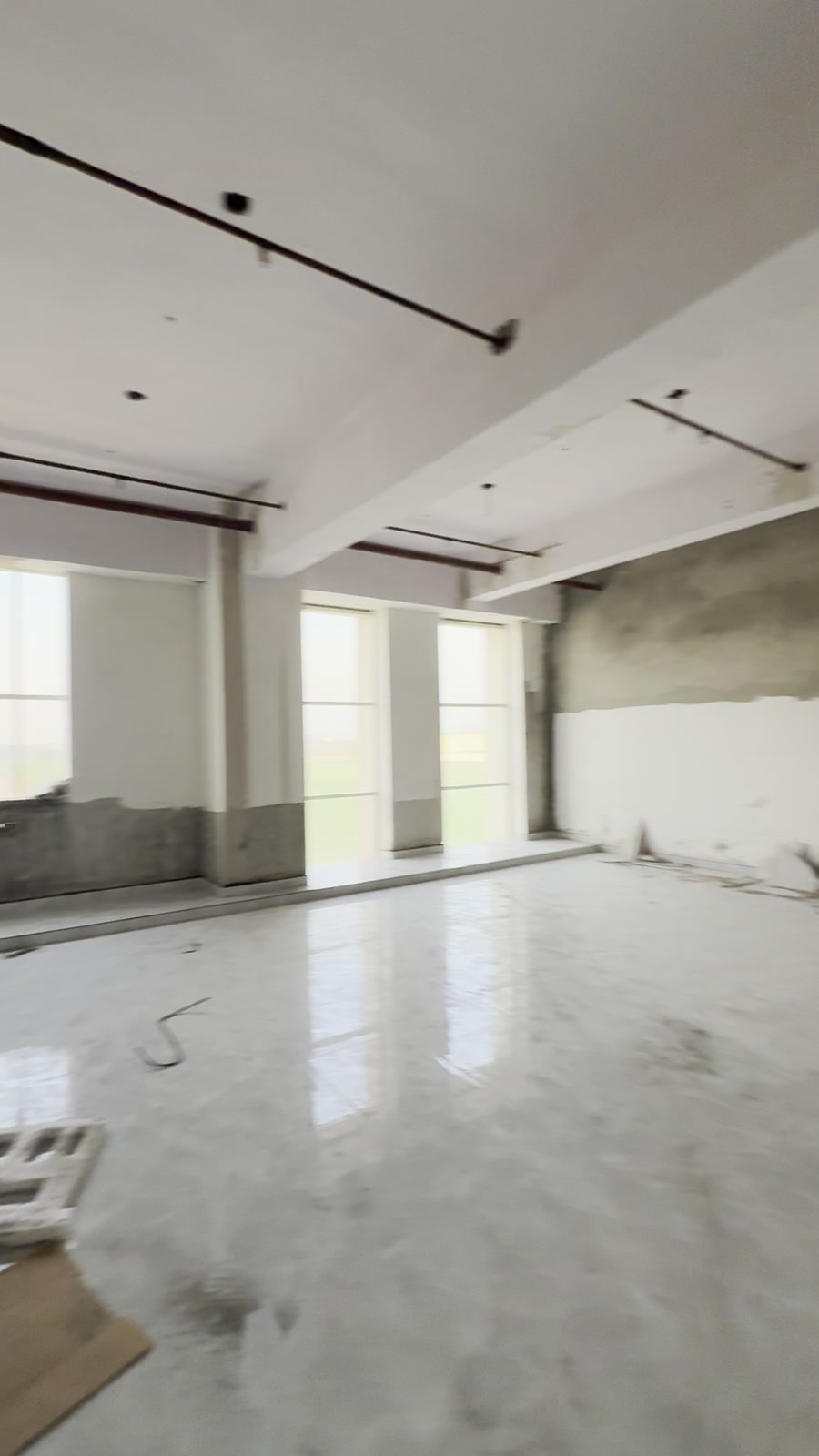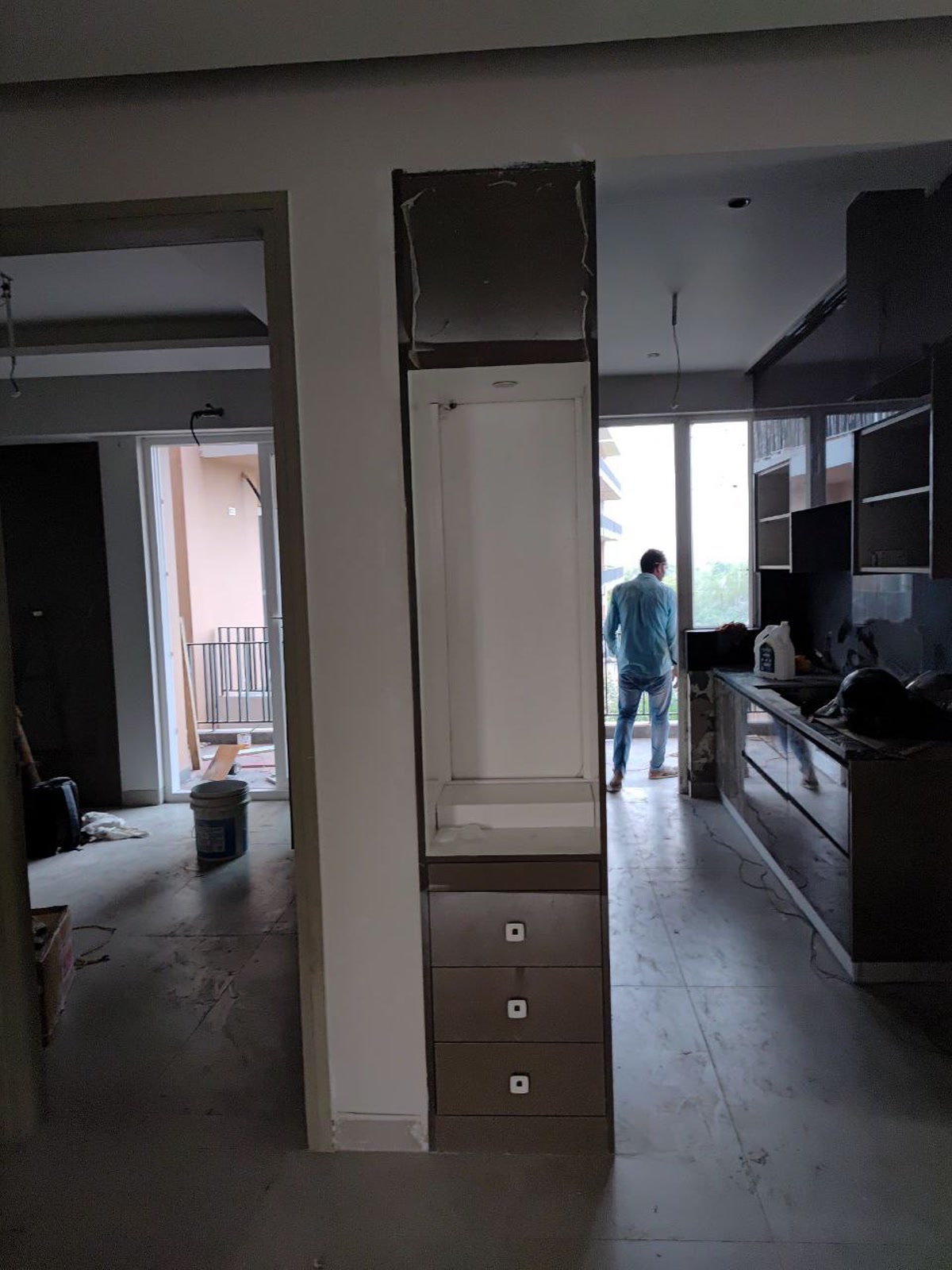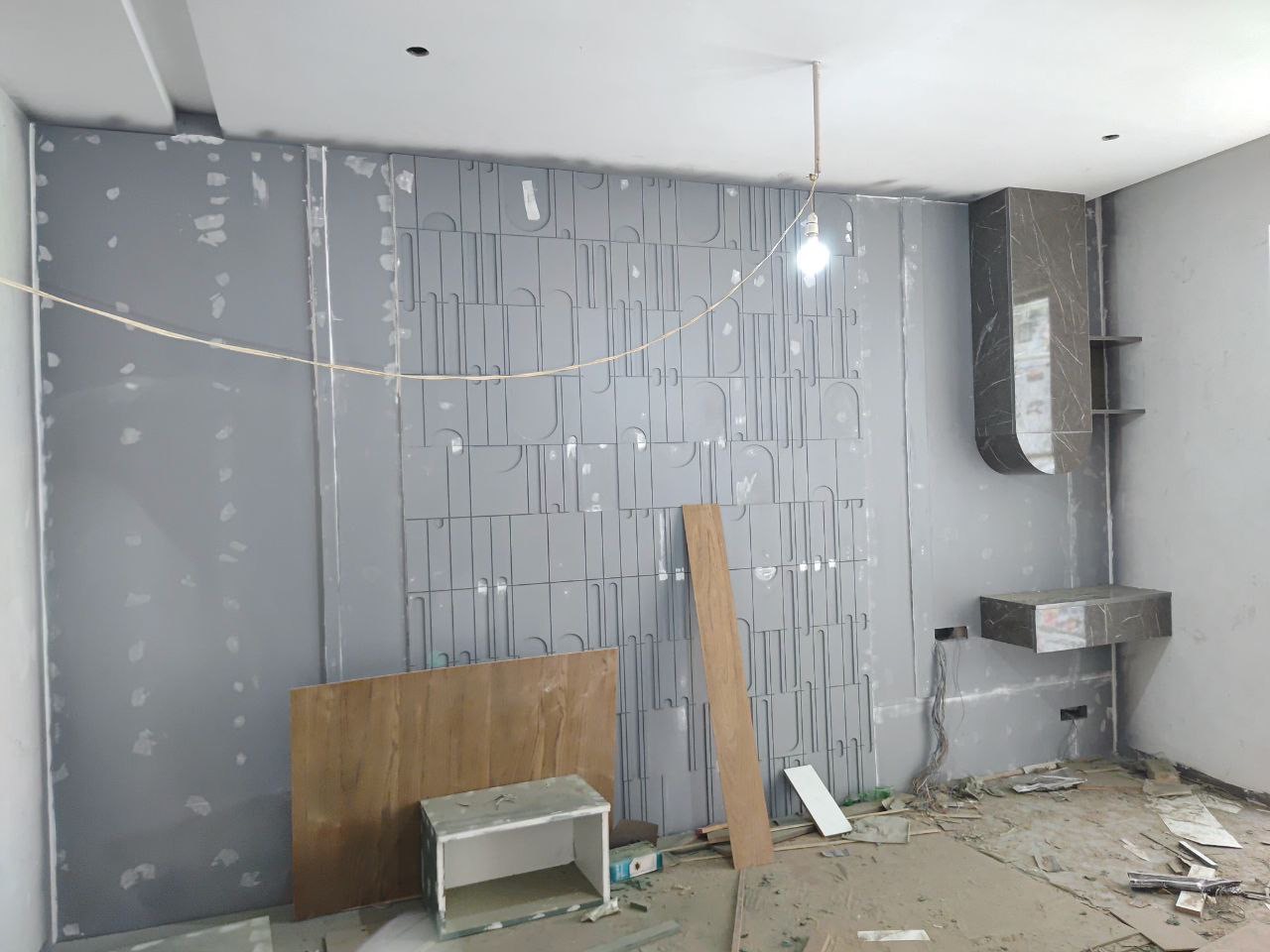
A photograph can explain a colour palette. It cannot tell a designer where you leave your keys, whether two people cook together, or why the current bedroom never feels quiet. Those details belong in the brief.
For a home renovation in Delhi NCR, start with a record of the space you already have and the life it needs to accommodate. A useful brief makes the first conversation more specific. It also gives later design decisions something to be measured against.
Describe a weekday before describing a style
Write down the first and last hour of a typical day. Who gets ready at the same time? Where does work happen? What needs to remain out of sight, and what deserves a place in view? Include occasional routines such as overnight guests, entertaining and caring for family members. Explain who actually uses the kitchen and how it is cleaned.
Replace “more storage” with an inventory: suitcases, seasonal bedding, shoes, appliances, paperwork and objects you want to display. Replace “luxury bedroom” with the qualities you value: quieter doors, a reading corner, concealed charging or a clear route around the bed.
Separate what you know from what needs investigation
Bring the available floor plan, recent photographs and any previous drawings. Mark visible damp patches, awkward switches and doors that clash. Treat these as observations rather than diagnoses. A wall that looks inconvenient may have a structural role; a stain may have a source beyond the room.
Record apartment-society or building-management constraints, including access, working hours and material movement. Ask the design team which permissions and professional assessments are needed before work is priced or scheduled. Do not use a social-media reference as permission to alter structure or services.
Make the budget boundary legible
State whether the budget includes design fees, civil work, services, built-in furniture, loose furniture, appliances and taxes. Keep a separate allowance for discoveries in existing construction, with its size discussed after inspection. A single total without these boundaries invites different interpretations.
Annotate the references
Choose a small set of images and write one sentence under each: “I like the low contrast,” “the storage feels integrated,” or “this room looks too staged for us.” Include dislikes. A reference becomes more useful when it explains a decision rather than demanding a copy.
Agree how decisions will be made
Name the people who approve the layout, materials and expenditure. Decide how changes are recorded. Keep a dated decision list so a revised finish does not remain buried in a message thread.
Bring to your first discussion: plans, photographs, household routines, storage inventory, budget inclusions and your top three priorities. Share those with Designer Thekedars when discussing the scope of your project.